How to get it done, and how to believe it's worth doing.

A letter to a dear friend, about how wonderful your life already is.
Every day, ten minutes, one A4 page, lined paper. Non-negotiable.
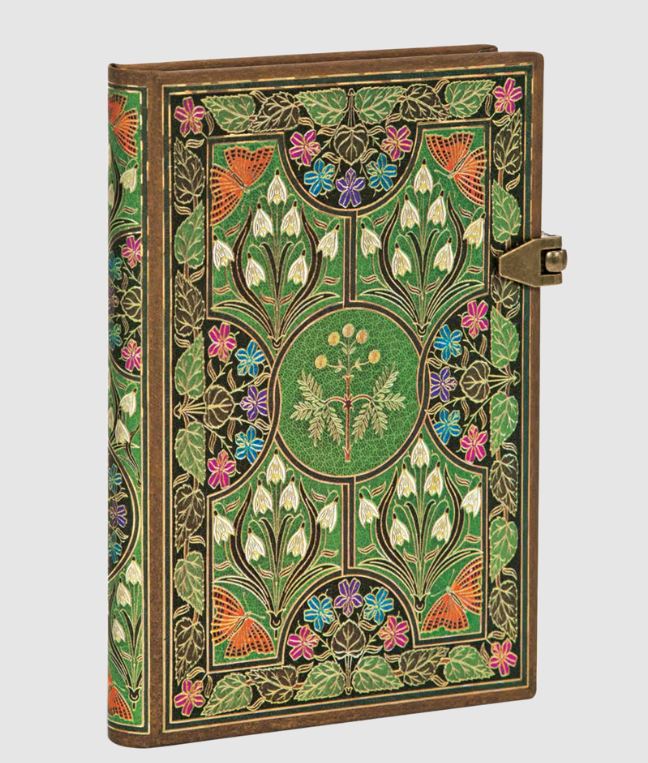
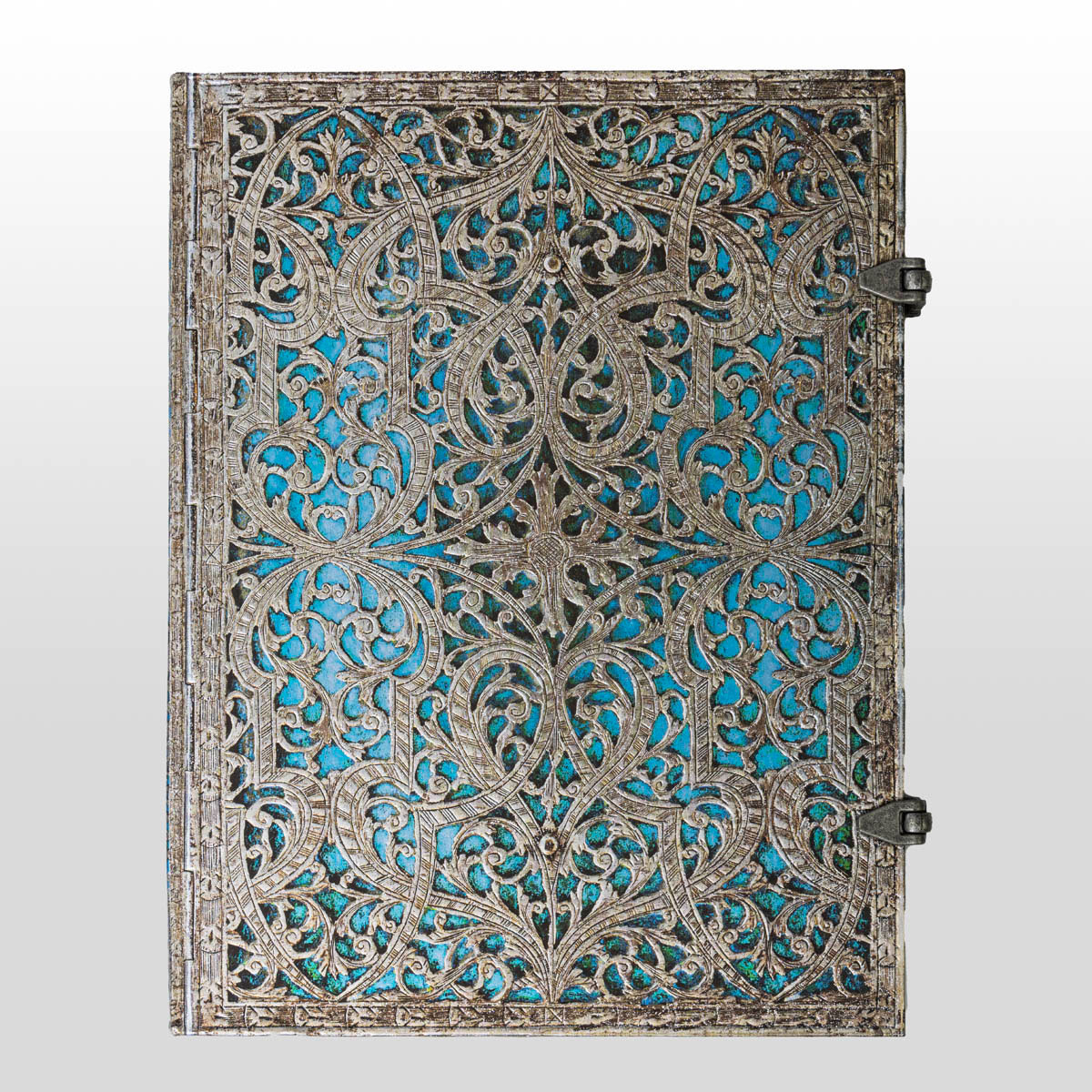
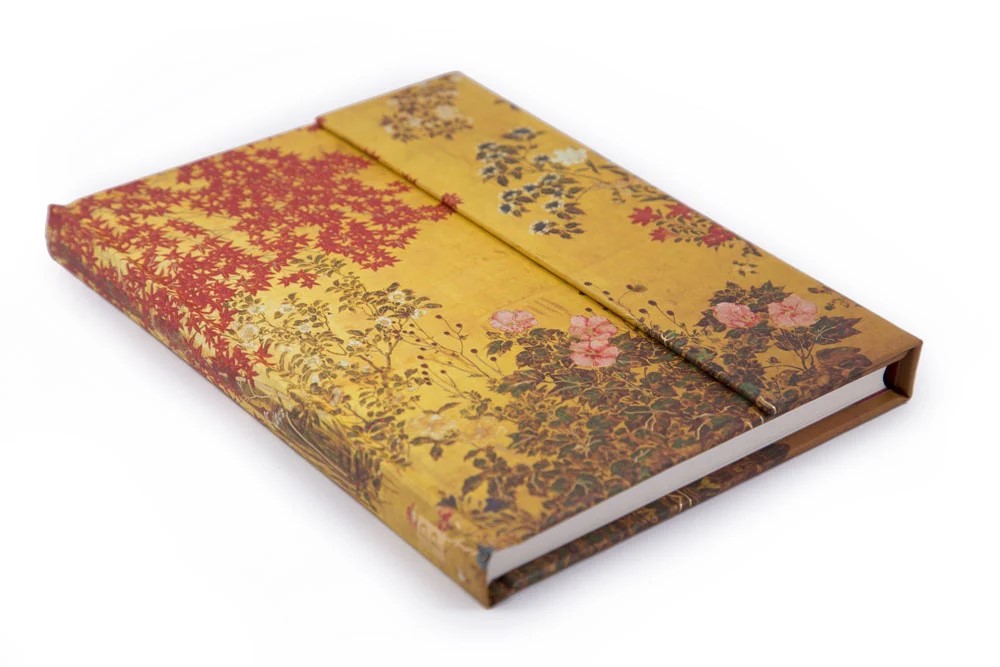
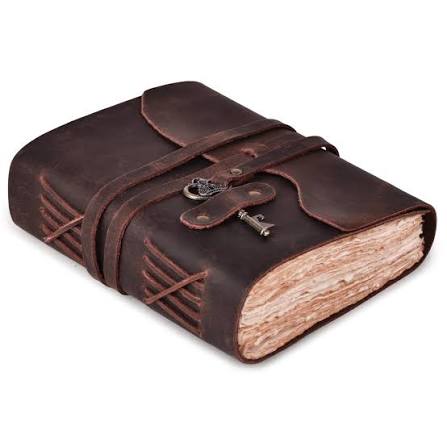
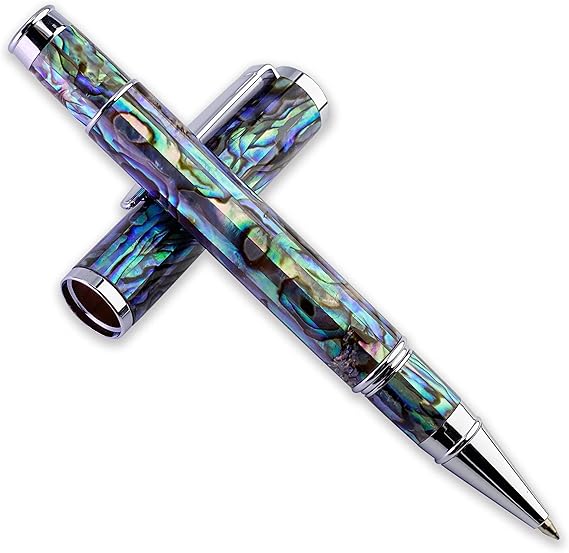
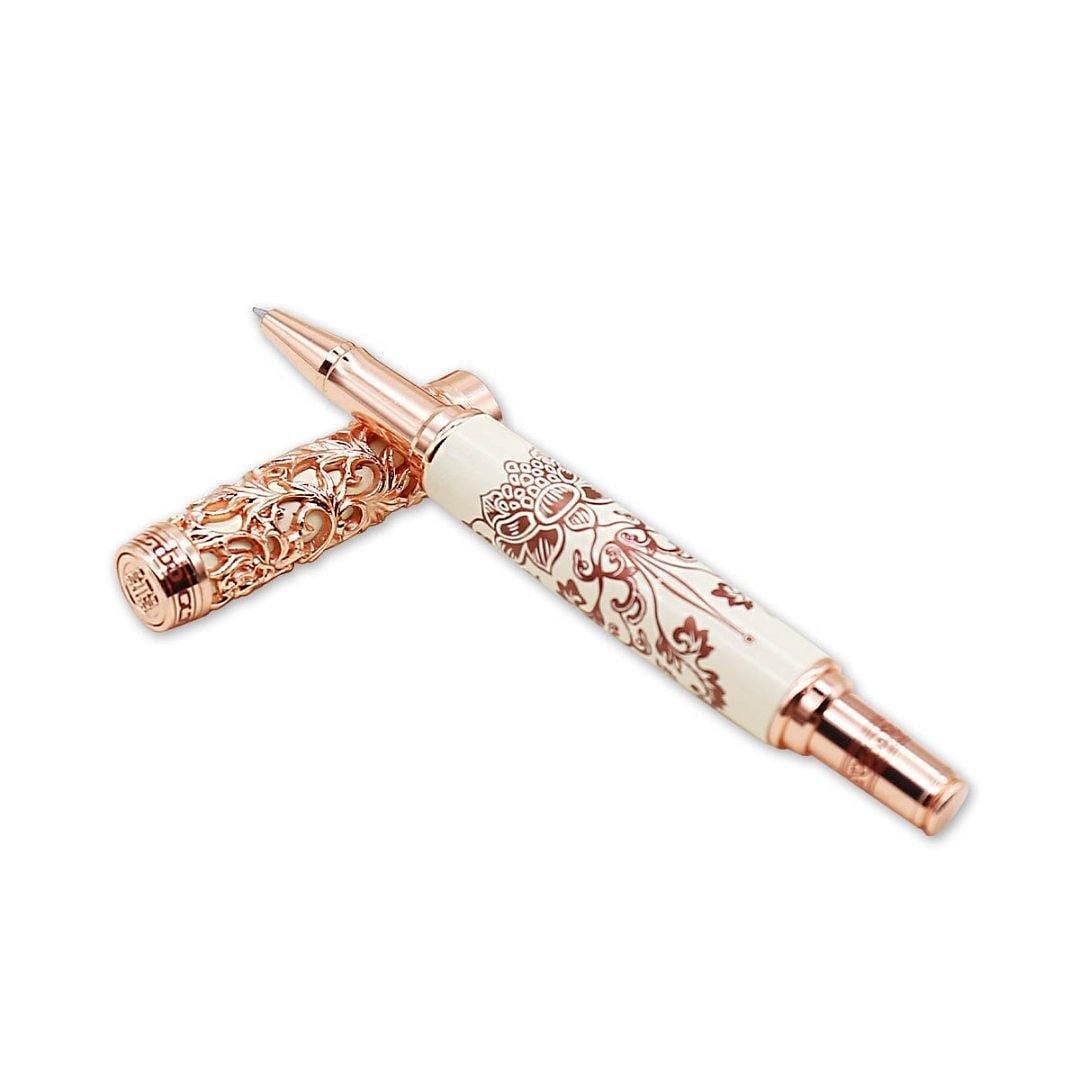
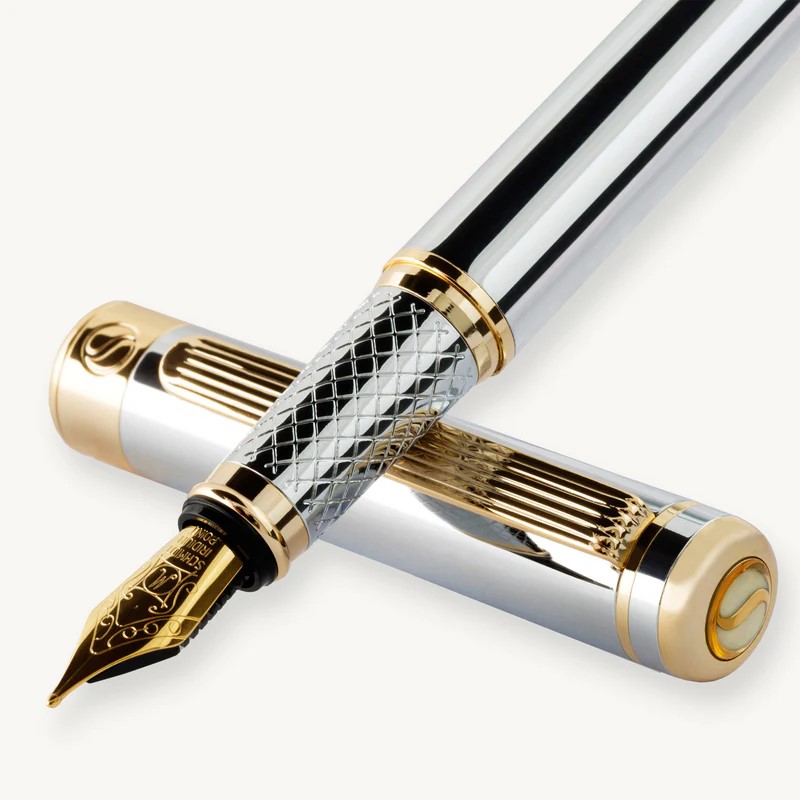
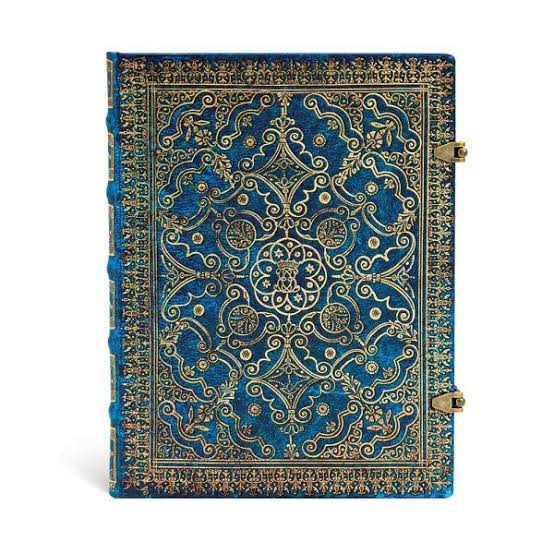
The writing is almost in the form of a letter, where you detail to the reader how wonderful your life is. There may not be one negative word or negative list written in this book. The book is magical. It helps if it's beautiful, and your manifestation pen is beautiful and writes well — this will make you want to do it.
If there's a negative thing you're working on — say you're sick — you write how healthy and well you are. You write how energised and young you feel, how money is overflowing in your life, how healthy and supportive your relationships are, how well-behaved and happy your children are, how divinely protected you are, how organised and productive you are, how much extra time you have, what good decisions you make, how lovely your view is and how much you love your home, how wonderful your career is.
Use a colour you love. Write slowly and calmly, while smiling broadly — the smiling thing is insanely helpful. Force your face into a genuine smile and you start to relax into it while thinking of your dream life. You need to be smiling, because if all this was true, you would be smiling — not so?
Sit in a beautiful, inspiring place while you do it. If you don't have one, create one — your environment must uplift you during this time. This is a leisurely activity, although it doesn't take that long after the first time. In your mind, you are a person of leisure, writing to a dear friend about your successes and the overall joy of your existence.
Write about the things you're grateful for in reality too, as weaving the future possible into the reality of now is part of the magic. You already have things to be grateful for. You already have joy. Focus on it to magnify it into your life.
Every few days, read your letter aloud to yourself — alone. Don't tell anyone about the book, don't show it to people, don't tell them what you've written. Some say it's the evil eye. Some say it's other people's jealousy. Some say it's because when you tell a plan to someone, you already dopamine yourself — giving your brain what it wanted, stopping you from proceeding to the proper fix. So be silent on this. This is your personal book.
Always write as though it has already happened, and in the positive. Not "I'm no longer poor" — "I am rich." Not "my sickness is gone" — "I am healed."
Once you've written it — and it will often become the same letter, day after day — learn it by heart. Quote it to yourself when you're relaxed: in the bath, lying on the grass, in a state of calm. And also when you feel fear or stress that you aren't getting what you desire. Breathe, relax, and quote the bits relating to the situation.
"I'm not worried, because every day, in every way, I am better and better at ___."
The pentameter of your manifestations matters. Phrase them in a way that gets stuck in your head. If you're going to suffer from echolalia and intrusive thoughts anyway, they may as well be of your own design.
Not a health bunny, goal-crushing, sigma edge-lord system. Intentional and enjoyable, with some goal-crushing on the side.
This isn't about becoming a different person. That's a great person to be — it's just not what we're building here. We're moving toward intentional and enjoyable. Some goal-crushing, yes, but with a side of whimsy and self-care. La dolce vita, not a productivity cult.
To make a usable list, you first need to know how to separate your life into its actual parts. Everything you have to do falls into one of these:
For daily lists, you need one page you take with you. I prefer a piece of paper folded into my pocket, but an A5 book works, or a notepad — whatever's sturdy enough to survive being carried around. Some people prefer their phones. I like something I can see at a glance — if I have to go looking for it, I won't use it.
Your daily to-do list needs the next three things that must happen. But what are those three things? That's where the Master List comes in.
If you're new to list-making, or feel like your lists could be more proactive and functional, here's how you unlock it — in four stages.
Brain-dump every problem in your life onto a page. Get it all out. Start with something like "why am I so angry and frustrated" or "why am I so tired" — whatever will actually pull it out of you.
Once you've vented it all out, read it back as though you just discovered it lying about — written by a stranger. Think about what actionable advice you'd give this person. Write that down too.
On a new page, write down what you want in your life. And I mean the whole dream — what you want your day to be about, how you want your relationships to be, what your job is, your setting, your tribe. Everything, down to the decor and the music.
Now write down every resource you already have access to: computers, internet, friends, contacts, your health and wellbeing, your mental capacity, capital, transport — as many as you can think of.
This is the tricky part. You are the answer to all your problems, because you are both your greatest nemesis and your most loyal ally. You have the problem because of you, and you have the solution because of you. Within your resources and your dream life lies the key to your own inner friction.
There is no reason any of us can't have what we want, if we take small, hard-hitting, targeted steps toward the goal. Consistency beats genius — but consistency and genius together make you unstoppable.
From this place, the Master List is born.
Your goal is the heading — for example, "Beautiful Life." The steps toward that goal are sub-headings — declutter, self-care, better job, more free time. Below each sub-heading goes every action you need to take to get there.
Once you have the exhaustive list — the kind where you think, if I completed all of this, I could finally rest — use a marker or a symbol to group the tasks into categories:
There are usually two kinds of people: those who can do life maintenance daily without much thought, and those who are so slow at it that it becomes their whole life — cleaning and organising instead of living.
Personally, I prefer a black hardcover 2-quire book with blocks — like the ones they give you at school. In the light of everything above it seems bland, no whimsy there, just functional. But it's functional for a reason.
I like it over a planner because some days you don't have anything to write. No date means no wasted page. And the blocks help your mind remember which quadrant of the page you wrote something in — you'll find it again without needing a date to search by.
Mine is a working list book. Every time I get a new one, I use the first five pages to make a fresh Master List. Then I make my daily and running lists after that, and carry unfinished items forward as I go. I can always flip back to the front, because the Master List lives right there. If I need to sketch or design something, the blocks are there for that too. And when a book is done, I get another — they don't cost much, which is exactly the point.
It's a very man way of doing things.
Alongside the book, I keep one loose piece of paper that just tells me what I'm doing right now. Then every so often, I go back to the book and cross off what I've actually finished — that's my favourite part. Whatever doesn't get done that day simply carries over to the next.
The downside: it can be exhausting, because there's no real beginning or end to it. No blocked-out holiday. You can't schedule anything with it — this is a system for getting things done, not for scheduling. Scheduling needs its own separate thing entirely.
Projects also split by day or night — some can genuinely only happen after hours. And depending on where you live, weather matters: if it's an outdoor job, the weather decides when it happens, not you. I need to paint the outside of my house — that's only ever going to happen outside the rainy season.
The whole idea behind all of this is to get the most out of your time, so you actually have time left for the things you enjoy.
Each day has a vibe, and I recommend going with it — though this really only works if you're self-employed, which is exactly why I recommend being self-employed.
This applies both to the number of the day itself and to the whole date combined — and they're often not the same number, so then you work with the combination. A 6 day and a 1 day together: start something new, at home. A 9 day and a 4 day: work hard to finish something.
What's simpler for most people is just going by feel. Feel like doing art — go do that. Get the urge to clean — off you go. Sometimes it's not that simple and self-discipline is required, but you can make it easier on yourself: before starting the task, make sure you have every tool and material physically with you — not somewhere in the house, physically at hand. Do that the day before.
Unless you're wildly unambitious, the Master List will take you a long time to clear. Which is why every morning, you plan your day fresh. Sometimes it'll be a busy one. Sometimes the only thing on the agenda is to chill. Initially, it will be go-go-go — because you'll be inspired to change your life, and the iron is hot, so you strike while it is.
If you're working toward a master goal, decluttering is the first step. It's easier to find everything you'll need for the next steps once that's done. From there, everything else becomes more possible and more cost-effective: easier to move house, no more buying things you already own, extra space, energy actually moving through the house — and decluttering can often become an income stream. You'll be amazed what people will buy.
Author's note: obviously, if you have urgent things pending, those go first — unreturned library books, subscriptions to cancel, memberships you don't use, expired licences. Then declutter. Sell, and give away — all while keeping the picture of where you're going in your head.
If you have the privilege, allocate one full day to laundry. Give it your entire attention and get it out of your life for the week — including putting it away. Be present. Thank your clothes for making you look so good, as you lovingly put them in their place. This practice will change how you feel about your clothes, and about yourself — it builds real awareness of what you actually own.
Don't combine too many gear changes in one stretch. Don't paint something, dig a garden bed, and clean the house all in the same day. Do something exhausting in the morning, and meet someone socially in the afternoon. Keep creative tasks together. Keep cleaning tasks together.
You know the one: cleaning out a cupboard turns into a trip down memory lane, and somehow ends with you dismantling the window latches because the brass is grubby — when filing was actually on the agenda.
At the top of your list, write: this is what we are doing now. And when you find yourself wandering off, remind yourself — this isn't what we're doing, we're doing this — and it's only the next three tasks. Keep an empty column for the things you notice along the way: the dirty window latch, the plug that needs repairing. Write it down. Don't touch it. All you're focused on is the next three things.
This is deliberately separate from the Master List, because a list for getting things done and a system for knowing when to be somewhere are two different jobs, and trying to make one tool do both is exactly what makes the whole thing exhausting.
The actual solve is boring, and that's the point: your phone is your friend here. It rings a bell when you have to do a thing, and it tells you beforehand. Use the timer function, or the calendar function — that's it. No app required. Everyone already has one in their pocket. Simple.


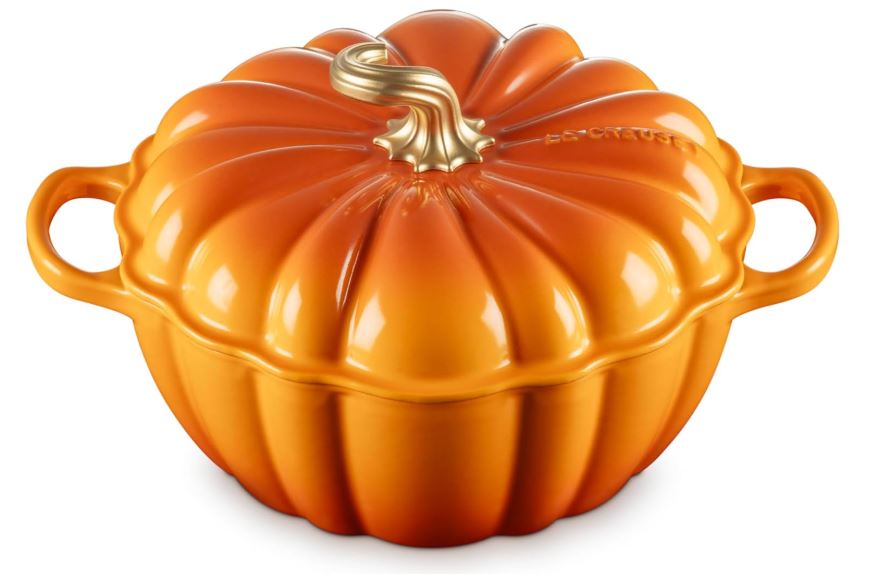
Cast iron with actual personality — a pumpkin-shaped cocotte that earns its place on the stovetop and the table.
Shop Now →
One-touch glass teapot with a walnut lid — brewing loose leaf properly, without the fuss.
Shop Now →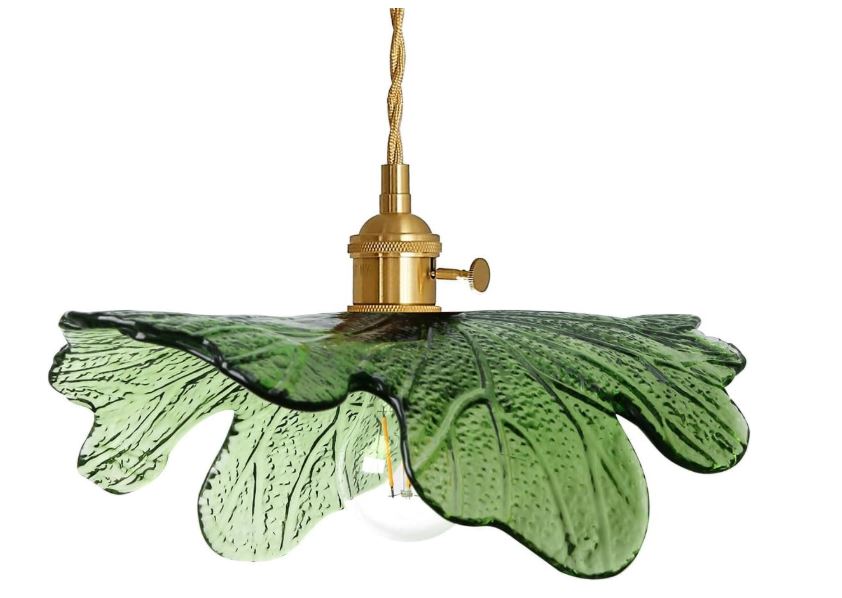
Hand-blown green glass on a brass fixture — the kind of light that makes a kitchen island feel like a whole mood.
Shop Now →
A long-handled steel infuser that turns loose-leaf tea into a two-second ritual instead of a project.
Shop Now →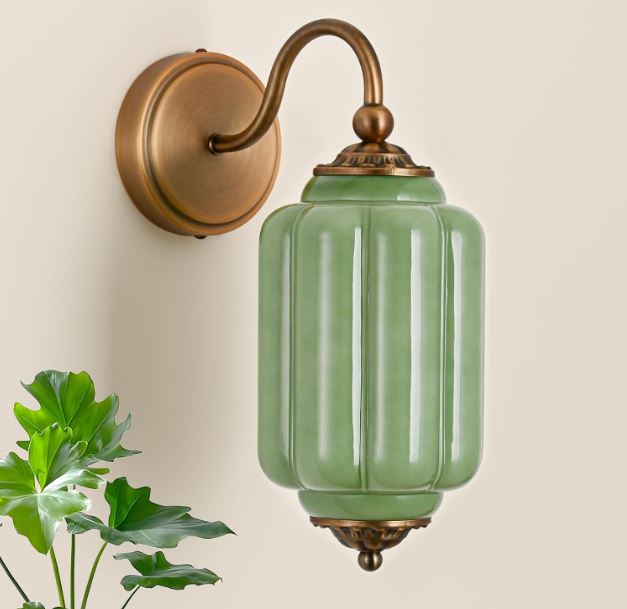
A little glow with personality — brass fittings, a pumpkin-shaped shade, easy plug-and-mount install.
Shop Now →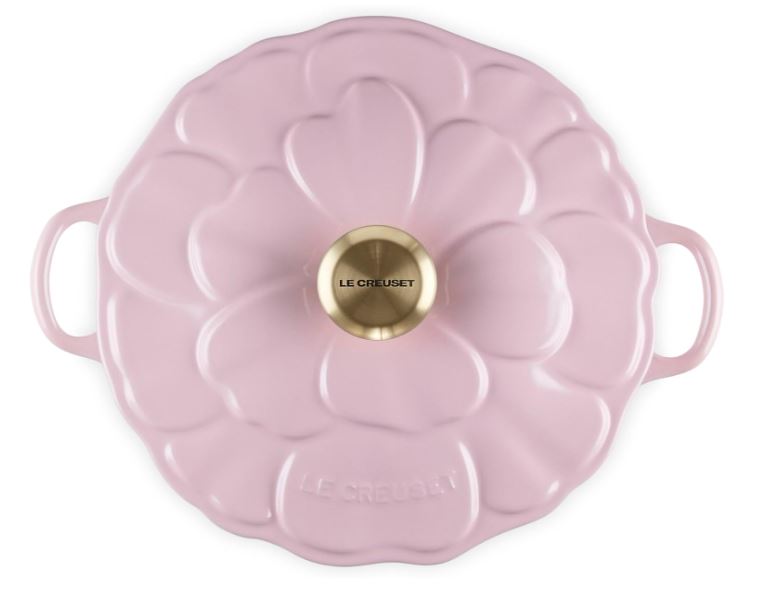
A flower-shaped braiser in the softest pink — cooking gear that's honestly just gorgeous.
Shop Now →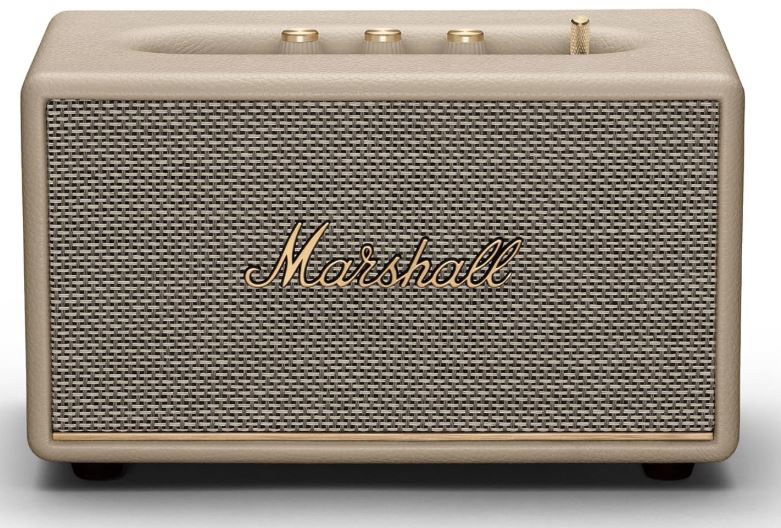
Proper sound, properly good-looking — the speaker you don't have to hide when people come over.
Shop Now →
Sterling silver phoenix cufflinks — a small, sharp detail for someone who notices details.
Shop Now →Some links on this page are affiliate links. If something calls to you, I may earn a small commission — at no cost to you, ever.